
Mojo Verde: Why 4 Herbs Make It Authentic
Mojo Verde: Why 4 Herbs Make It Authentic
Table of Contents
Introduction
Ever cook a beautiful steak or roast chicken, only to feel like something’s missing? The meat is juicy, the sear is perfect — but the flavor just doesn’t pop.
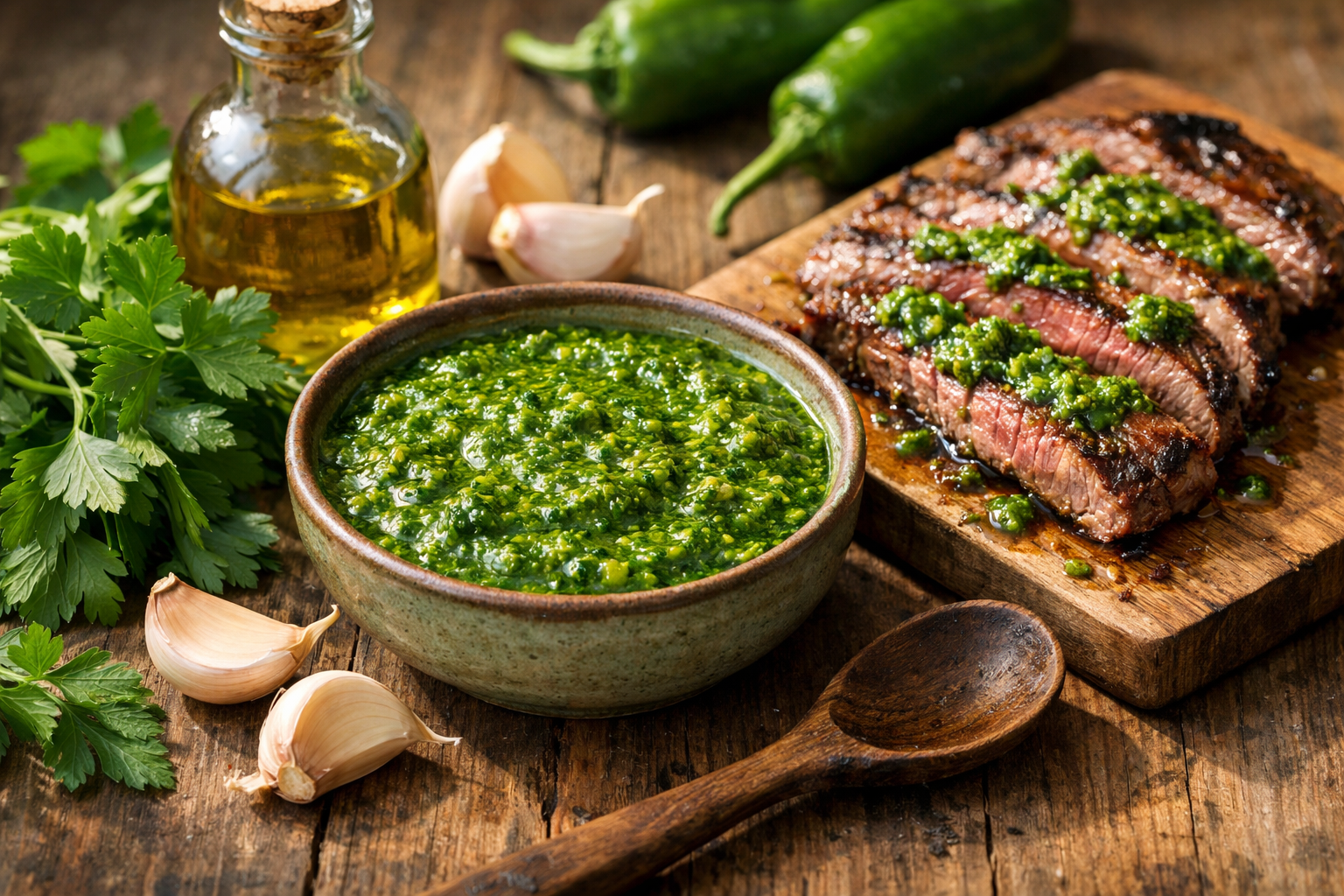
That’s exactly where Mojo Verde changes everything. This vibrant Canarian sauce, built around four fresh herbs, garlic, olive oil, and vinegar, instantly wakes up grilled meats, roasted vegetables, and even simple potatoes. It’s fresh, punchy, and deeply aromatic without overpowering what you’re cooking.
After years of testing marinades and herb sauces in my own kitchen, I keep coming back to Mojo Verde because it’s reliable. It’s the kind of recipe that makes people ask, “What did you put on this?” In this guide, you’ll learn why it works so well, how to choose the right meat, how to cook it properly, and how to customize flavors — including how it compares to mojo rojo and red mojo sauce.
Why This Meat Recipe Works
There’s a reason Mojo Verde has stood the test of time in the Canary Islands. It doesn’t mask meat — it enhances it.
- Uses affordable, easy-to-find cuts of meat and makes them taste premium.
- Marinate in just 15 minutes for noticeable tenderness and bright flavor.
- Perfect for weeknights, backyard grilling, or weekend feasts.
The vinegar gently tenderizes. The olive oil helps seal in moisture. And those four herbs create layers of freshness that balance smoky or roasted flavors beautifully.
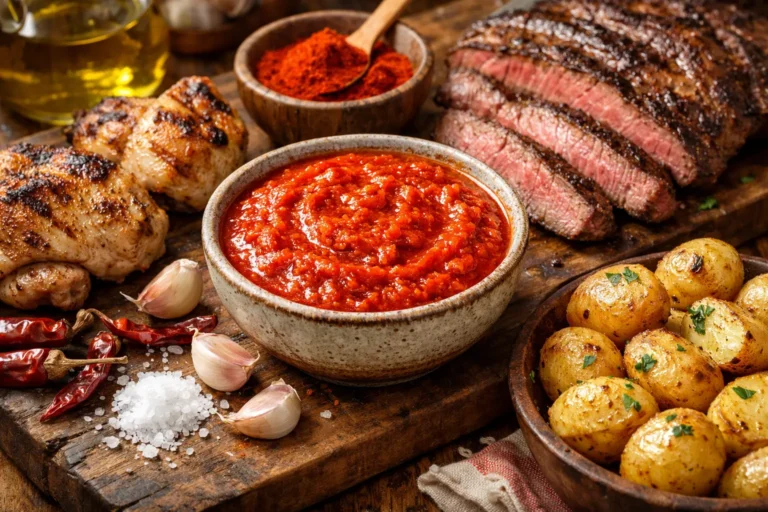
If Mojo Verde is the bright, herbaceous version, mojo rojo — often called red mojo sauce — is its bolder, smokier cousin made with red peppers and paprika. Both bring serious personality to meat, just in different ways.
Choosing the Right Meat
Best Cuts for This Recipe
If you’re grilling, ribeye is fantastic because its marbling absorbs Mojo Verde beautifully. Chicken thighs are incredibly forgiving and stay juicy even with high heat. Pork tenderloin is lean but tender, and the herbal sauce keeps it from feeling dry.
Even flank steak works well if sliced thinly against the grain after resting. The key is choosing cuts that can benefit from a flavorful finish.
Buying Tips
Look for bright red beef with fine, even marbling. Avoid dull or grayish tones. For poultry, choose firm, pink flesh without excess liquid in the package.
If possible, ask your butcher for evenly cut pieces so everything cooks at the same rate. It makes a noticeable difference.
Substitutions
No ribeye? Use strip steak. No pork tenderloin? Try pork shoulder for slow roasting. You can even spoon Mojo Verde over grilled fish or roasted vegetables. It’s flexible and forgiving.
Ingredients & Prep
Meat Prep Essentials
Start simple. Pat your meat dry — this helps with browning. Trim excess fat if needed. For deeper flavor, lightly salt the meat 30 to 60 minutes before cooking. This dry-brining step improves texture and seasoning from the inside out.
Marinades and Rubs
To make authentic Mojo Verde, blend fresh parsley, cilantro, garlic, extra virgin olive oil, white wine vinegar, cumin, and mild green pepper. The four herbs are what give it that unmistakable freshness.
Let meat marinate for at least 15 minutes. If you have time, a few hours in the fridge builds even more flavor.
For contrast, mojo rojo or red mojo sauce relies on dried red peppers or paprika for a smoky depth. It’s richer and slightly more intense, while Mojo Verde stays bright and herbal.
Pantry Staples
Keep good olive oil on hand. Use quality vinegar for clean acidity. Spices like cumin and black pepper round everything out without overwhelming the herbs.
Step-by-Step Cooking Instructions
Pre-Cooking Prep
Take meat out of the fridge 20 to 30 minutes before cooking so it can come closer to room temperature. Pat it dry again and season lightly with salt and pepper.
Cooking Method
For steaks, grill over medium-high heat around 450°F for about 4 to 5 minutes per side for medium-rare.
Roast chicken thighs at 400°F for 35 to 40 minutes.
Cook pork tenderloin at 400°F for about 20 to 25 minutes until properly done.
Spoon fresh Mojo Verde over the meat after cooking, or serve it on the side so everyone can add as much as they like.
Doneness Check
Aim for 145°F for medium-rare beef, 165°F for chicken, and 145°F for pork followed by a short rest. A meat thermometer removes guesswork and prevents overcooking.
Resting
Let steaks rest at least 5 minutes and larger cuts closer to 10. This keeps juices inside instead of running onto your cutting board.
Pro Tips for Perfect Meat
Avoiding Tough or Dry Meat
Don’t overcrowd your pan — it causes steaming instead of searing. If pan-cooking, a quick butter baste at the end adds richness and color.
Most importantly, don’t overcook. Mojo Verde can add moisture and brightness, but it can’t undo severely dry meat.
Tool Recommendations
A digital meat thermometer is one of the best investments you can make. A cast-iron skillet gives a beautiful crust. If you grill often, charcoal adds subtle smokiness that pairs beautifully with herbal sauces.
Storage & Reheating
Store cooked meat in an airtight container for up to four days. Freeze in broth or a little sauce for up to three months. Reheat gently at low temperature to preserve texture.
Flavor Variations
Spicy Twist
Add chopped jalapeño or a pinch of cayenne to Mojo Verde for extra heat.
Keto or Paleo
The base recipe already fits well into low-carb eating. Just skip any sugary marinades and stick to herbs, oil, and vinegar.
Global Flavors
Add smoked paprika for a Spanish touch, lemon zest for Mediterranean brightness, or even a spoonful of mustard for a sharper finish.
And if you enjoy bold sauces, alternate between Mojo Verde and red mojo sauce to completely change the mood of the same grilled meat.
Serving Suggestions
Spoon Mojo Verde over grilled steak with roasted potatoes. Pair chicken with grilled asparagus or a crisp salad.
For drinks, Cabernet Sauvignon pairs beautifully with beef, while Sauvignon Blanc complements herb-forward chicken or pork. A light wheat beer also works nicely with the freshness of the sauce.
FAQs
Can I use frozen meat?
Yes, just thaw it fully in the refrigerator before marinating so the flavor absorbs evenly.
How do I fix overcooked meat?
Slice it thinly and spoon Mojo Verde generously over the top. The sauce adds moisture and brightness that help balance dryness.
Is this recipe safe for pregnant women?
Yes, as long as meat is cooked to safe internal temperatures and handled properly.
Conclusion
If your grilled meat needs a flavor upgrade, Mojo Verde is one of the easiest ways to make it unforgettable. Fresh herbs, simple ingredients, and just a few minutes of prep can completely transform your meal.
Try it tonight, experiment with mojo rojo or red mojo sauce next time, and discover how a simple sauce can elevate everything on your plate.



pzhxfvvedmohzizsftptovnfswmzsv